

Finding the Right Day Program: What Families Should Look For
Choosing the right day program for an adult with an intellectual or developmental disability (IDD) is an important decision. Families want to know that their loved one will be safe, supported, respected, and given meaningful opportunities to grow.
With so many day programs for adults with disabilities available, knowing what to look for can make the process much easier.
The right program is not necessarily the biggest or the closest one. It is the one that understands the individual, supports their goals, and creates an environment where they can feel comfortable and included.
 1. Look for Person-Centered Support
 1. Look for Person-Centered Support
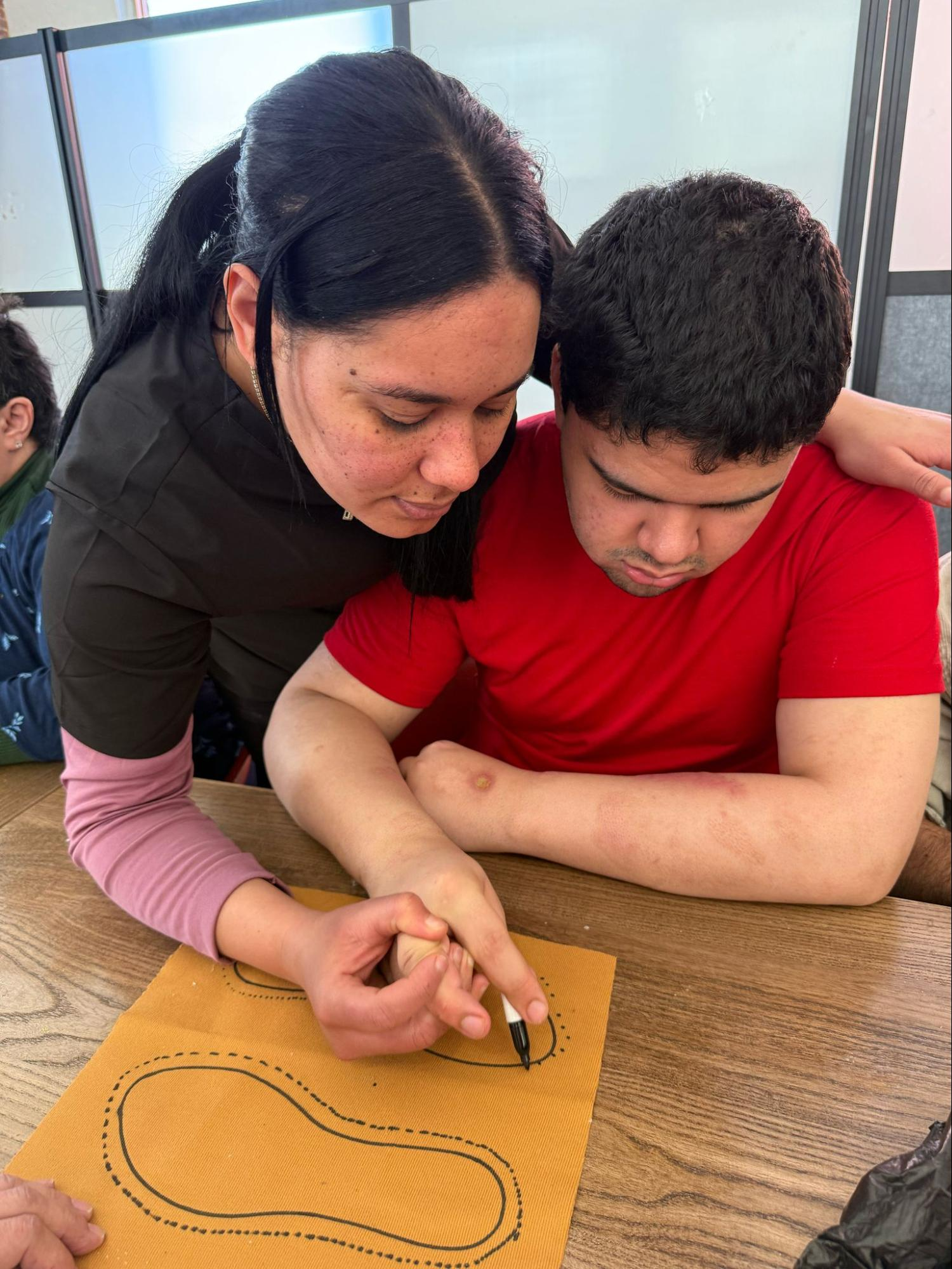
Every individual is different. Their interests, abilities, communication style, support needs, and personal goals may be completely different from someone else’s.
A quality day program should recognize those differences.
Ask how the program creates individualized goals and activities. Find out whether participants have opportunities to make choices and express their preferences.
A person-centered approach means the individual is at the heart of the support, not simply placed into a standard routine.
2. Pay Attention to the Environment
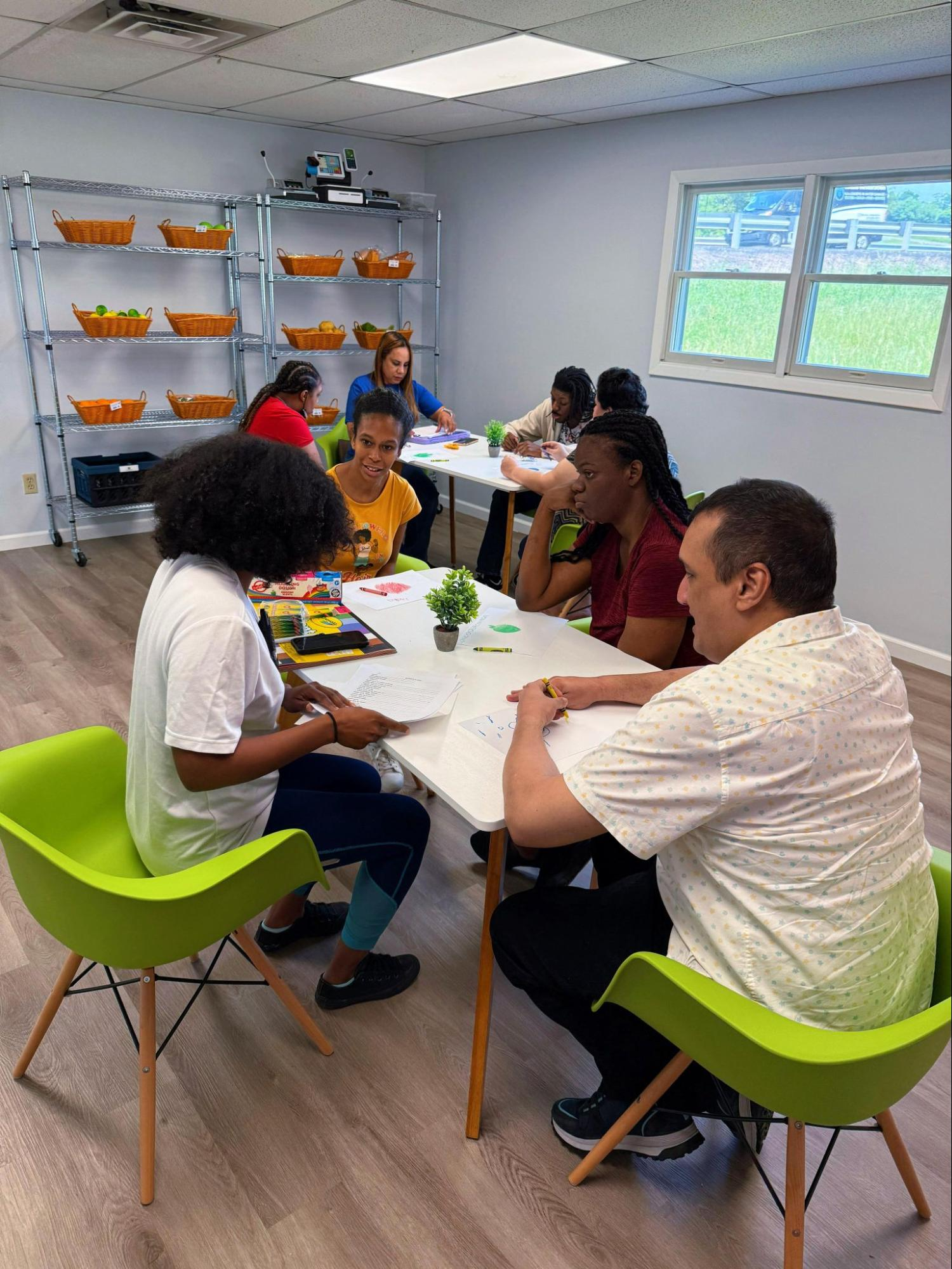
The environment can have a big impact on how comfortable and engaged someone feels.
When visiting a potential Day Program in NJ, look around. Is the space welcoming, clean, and organized? Are participants actively engaged? Do they have places to socialize, learn, relax, and participate in activities?
Most importantly, observe how people interact with one another.
A supportive environment should feel respectful and encouraging rather than simply providing a place for someone to spend the day.
3. Meet the Staff
 3. Meet the Staff
The staff can make one of the biggest differences in a person’s experience.
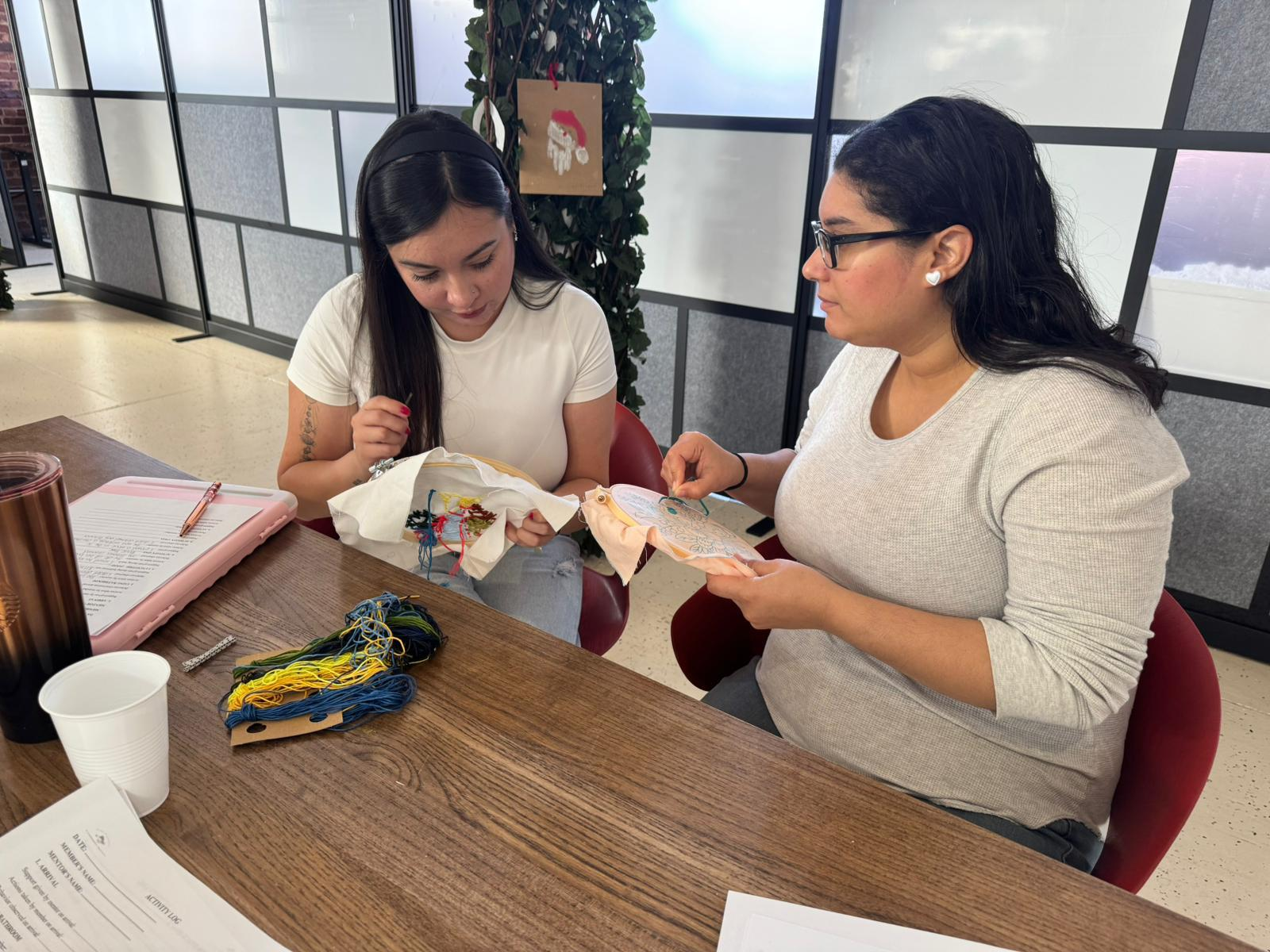
During a meet & greet, take time to meet the people who will be supporting your loved one. Ask about their experience working with individuals with IDD and how they approach different support needs.
You can also observe how staff communicate with participants.
Do they show patience? Do they listen? Do they encourage participation? Do they speak respectfully?
These small interactions can tell families a great deal about the culture of a program.
4. Ask What a Typical Day Looks Like
A good day program should offer meaningful opportunities throughout the day.
Ask what participants actually do from the time they arrive until they leave.
Depending on the program, activities may include life skills training, social activities, recreation, community outings, wellness activities, employment preparation, and other learning opportunities.
The goal should not simply be to keep participants busy. Activities should have purpose and provide opportunities to learn, connect, and build confidence.
5. Consider Opportunities for Independence
One of the most important questions families can ask is:
“How does this program help my loved one become more independent?”
A strong IDD day program should look for opportunities to build practical skills that individuals can use in everyday life.
This might include communication, decision-making, personal routines, social skills, money awareness, or navigating the community.
Progress does not have to happen all at once. Sometimes a small improvement is a meaningful step forward.
6. Ask About Community Activities
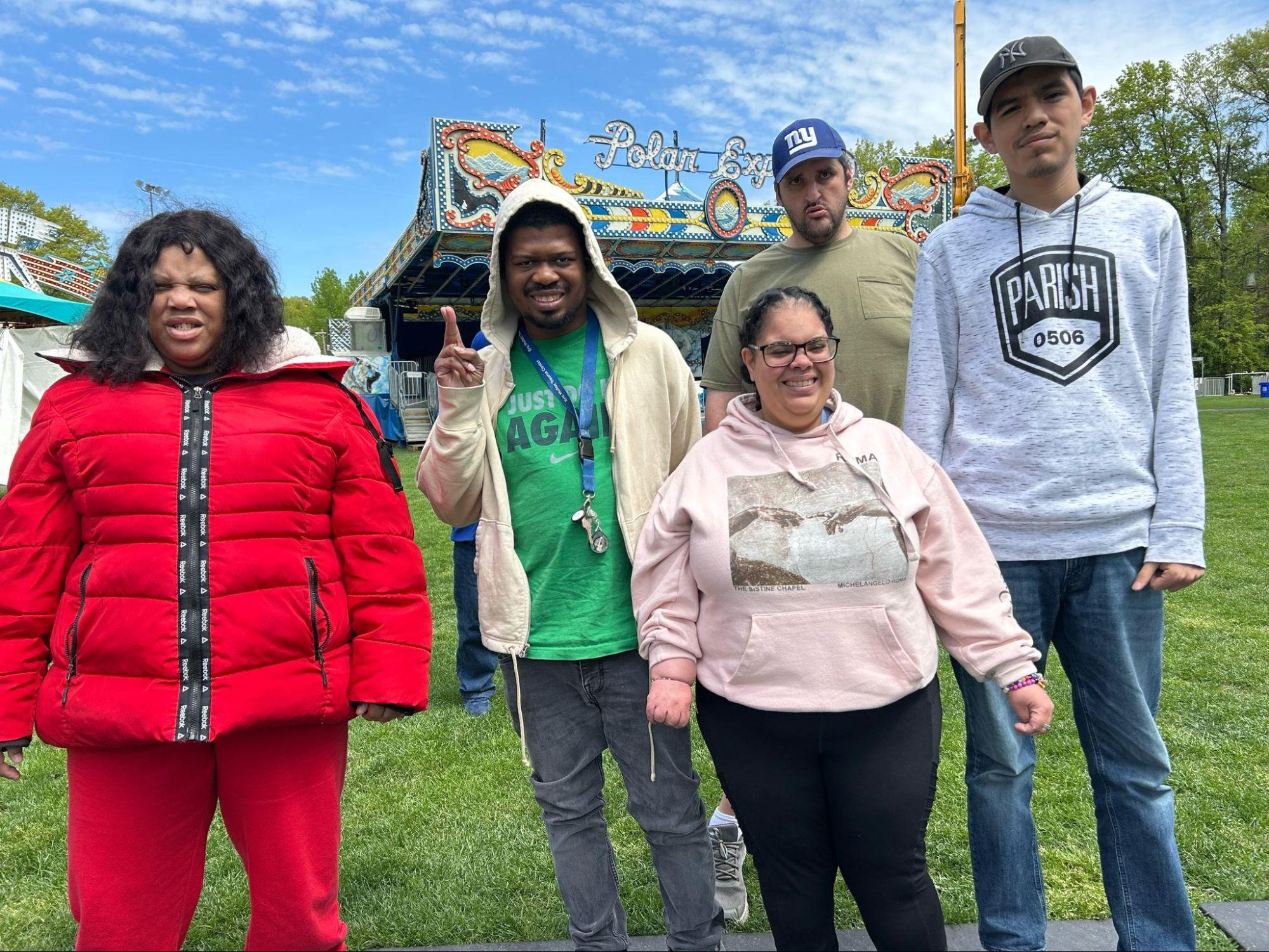
Community participation can be an important part of a well-rounded day program.
Ask whether participants have opportunities to experience the community through outings, recreational activities, shopping, dining, volunteering, or other activities.
These experiences can help individuals practice skills in real-world environments while building confidence and social connections.
7. Understand How Families Are Involved
 7. Understand How Families Are Involved
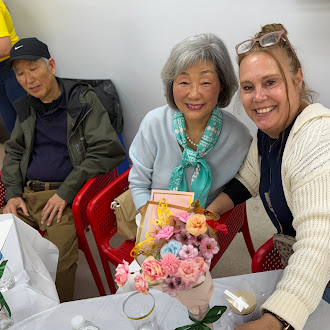
Families should not feel left out once their loved one enrolls.
Ask how the program communicates with families and how progress, concerns, and important updates are shared.
A strong relationship between the family and service provider can help everyone work toward the same goals.
You should feel comfortable asking questions and communicating with the team whenever necessary.
8. Think About the Location and Accessibility
Practical factors matter too. When comparing day programs for adults with disabilities, consider the location, transportation options, daily schedule, accessibility, and overall convenience for your family.
A program that meets your loved one’s needs but creates significant challenges with transportation or scheduling may not be the right long-term fit.
9. Visit Before Making a Decision
Research is helpful, but nothing compares to seeing a program for yourself.
During a tour, you can experience the environment, meet the staff, observe activities, and ask questions that may not be answered online.
Most importantly, you can begin to understand whether the program feels like a place where your loved one could genuinely feel comfortable and supported.
Why Families Choose FCCS
At Four Corners Community Service (FCCS), we understand that choosing a day program is about choosing a community for your loved one.
Our programs are designed to provide meaningful opportunities for individuals with intellectual and developmental disabilities to develop skills, build relationships, participate in their communities, and work toward greater independence.
FCCS takes a person-centered approach, recognizing that every individual has different strengths, interests, and goals. Our team is committed to creating supportive environments where individuals can feel valued while receiving the guidance they need.
With FCCS locations serving communities in Bergen, Hudson, Warren, and Hunterdon Counties and surrounding areas, families can explore a location that is convenient for them and their loved one.
Schedule a Meet and Greet to See the Difference
Choosing the right day program does not have to feel overwhelming.
Start by asking questions. Visit potential programs. Meet the staff. Look at the environment. Most importantly, consider whether the program recognizes your loved one as an individual and provides meaningful opportunities for growth.
At FCCS, we welcome families and support coordinators to visit our locations, learn about our programs, and experience our community firsthand.