


Understanding Intellectual and Developmental Disabilities (IDD): What Families Should Know
When a loved one is diagnosed with an intellectual or developmental disability (IDD), it can bring a mix of emotions, questions and uncertainty, oftentimes, with a strong desire to do what’s best for them. In all of these, the challenge begins with understanding what IDD truly means and how to provide the right support. So let’s quickly help you navigate through that.
Intellectual and Developmental Disabilities can be a handful, but with the right knowledge, resources, and support systems, individuals with IDD can live meaningful and fulfilling lives.
What Are Intellectual and Developmental Disabilities (IDD)?
Intellectual and developmental disabilities (IDD) are a group of conditions that affect a person’s cognitive functioning, physical development, or both. These disabilities typically begin during childhood and may impact learning, communication, behavior, and everyday life skills.
Every individual with IDD is unique. Some may need minimal support, while others may require more structured assistance in daily activities.
 Common Types of IDD Families Should Be Aware Of
 Common Types of IDD Families Should Be Aware Of
Families may come across different types of IDD, including:
- Autism spectrum disorder (ASD)
- Down syndrome
- Cerebral palsy
- Fragile X syndrome
- Other developmental delays
Understanding the specific diagnosis can help families better access the right services and support.
What This Means for Your Family
Receiving an IDD diagnosis doesn’t define your loved one. It simply helps guide the type of support they may need. As a family, your role becomes one of encouragement, advocacy, and partnership.
Every Journey Is Different
No two individuals with IDD are the same. Progress may look different for each person, and that’s okay. What matters most is focusing on growth, no matter how small the steps may seem.
Early Understanding Makes a Difference
The earlier families understand their loved one’s needs, the easier it becomes to build routines, seek appropriate services, and create a supportive environment.
Common Myths About IDD (and the Truth)
 There are many misconceptions about IDD that can create unnecessary fear or confusion. Let’s clear up a few common ones:
Myth: Individuals with IDD cannot live independent lives
Truth: With the right support, many individuals with IDD can develop life skills, work, and live fulfilling, semi-independent or independent lives.
Myth: IDD limits a person’s ability to learn
Truth: Individuals with IDD can learn and grow. It may simply happen at a different pace or through different methods.
Myth: Families have to figure everything out alone.
Truth: There are many organizations, programs, and professionals ready to support families through every stage of the journey.
How Support Services Can Help Your Loved One Thrive
One of the most important things families should know is that you don’t have to do this alone. Support services Like Four Corners Community Services are designed to help individuals with IDD build skills, gain confidence, and improve their quality of life in the following ways;
Skill Development and Independence
Programs such as day services and life skills training help individuals learn everyday tasks like communication, personal care, and social interaction.
Structured and Supportive Environments
Support services provide a safe, structured setting where individuals can grow at their own pace while receiving guidance from trained professionals.
Social Interaction and Community Engagement
Participating in group activities and community outings helps individuals build relationships and feel connected.
How Families Can Support a Loved One With IDD
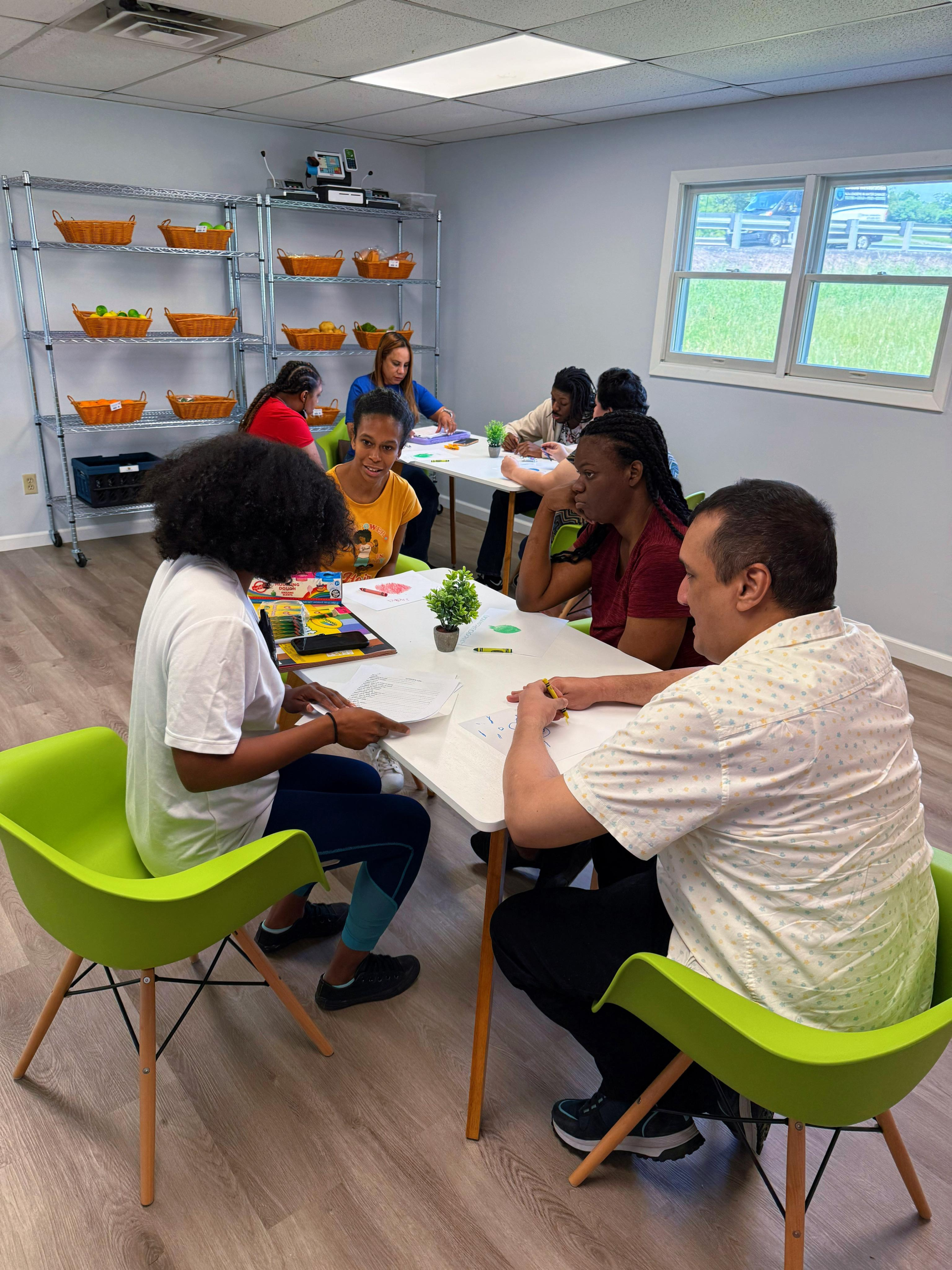 While professional services are important, family support plays a powerful role in a person’s development.
Be Patient and Encouraging
Progress may take time, but encouragement goes a long way. Celebrate small wins and remain supportive during challenges.
Stay Informed
Learning about your loved one’s condition helps you make better decisions and advocate effectively for their needs.
Build a Support Network
Attending fairs, seminars and connecting with organizations, professionals, and other families can provide guidance, reassurance, and shared experiences.
Finding the Right Support for Your Family
Choosing the right support services can feel overwhelming, but it doesn’t have to be. Look for programs that:
- Focus on individualized, person-centered care
- Have trained and compassionate staff
- Offer structured yet flexible programs
- Prioritize safety, dignity, and growth
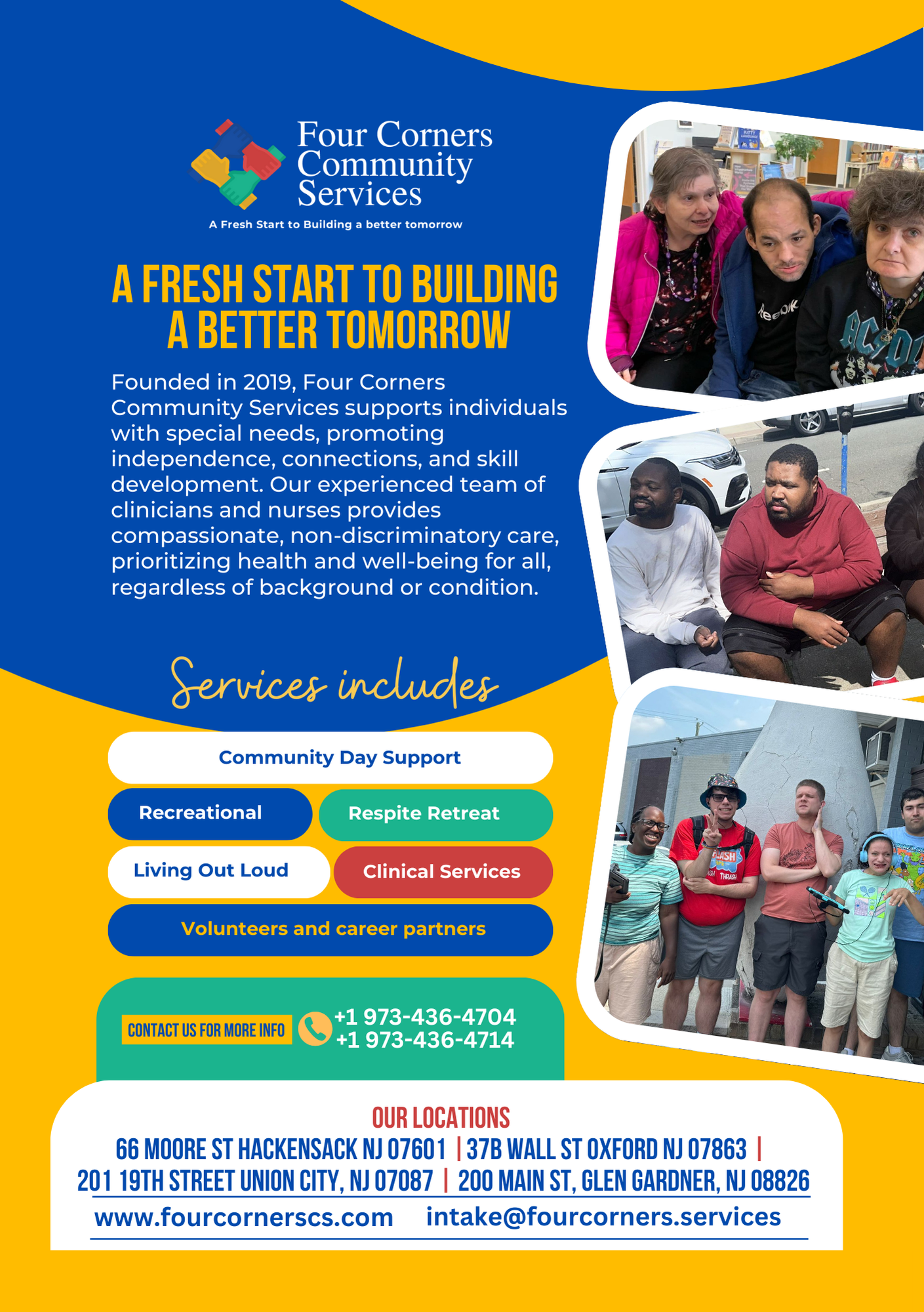
Four Corners Community Services is at the forefront of providing exceptional services to members and families in New Jersey.
The right support system can make a meaningful difference, not just for your loved one, but for your entire family.
Final Thoughts
Understanding intellectual and developmental disabilities is the first step toward building a supportive and empowering environment for your loved one. While the journey may come with challenges, it is also filled with opportunities for growth, connection, and meaningful progress.
As a family, your love, support, and willingness to learn make a powerful impact. Four Corners provides resources and guidance to individuals with IDD can thrive and families can move forward with confidence, hope, and clarity.