


What Is ABA Therapy? Understanding Applied Behavior Analysis and Its Importance in the IDD Community
ABA Therapy can be quite heavy on the ears upon first hearing. This is because there’s often a lot of information, mixed opinions, and unfamiliar terminology involved in it. At its core, however, Applied Behavior Analysis (ABA) therapy is about helping individuals with intellectual and developmental disabilities (IDD) build meaningful skills that improve daily life, simply put. This service is usually person-centered and delivered with respect and care.
ABA therapy is short for Applied Behavior Analysis and it’s an evidence-based therapeutic approach that focuses on understanding behavior and how it is affected by the environment. The goal of ABA therapy is to encourage positive behaviors and reduce behaviors that may interfere with learning, safety, or daily functioning.
ABA therapy is commonly used to support individuals with autism spectrum disorder (ASD), but it is also effective for individuals with other intellectual disabilities.
How ABA therapy works

ABA therapy is a structured and intentional approach aimed at breaking skills into small, manageable steps and teaching them through repetition, positive reinforcement, and consistent support. Skills are taught in a way that makes sense to the individual and is adjusted based on observed changes and needs.
ABA is designed around each individual’s strength and challenges rather than a one-size fits all manner.
ABA therapy involves the following
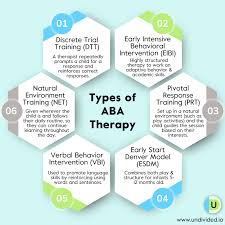
Individualized Assessment and Goal Setting
Before therapy begins, professionals assess the individual’s abilities, needs, and areas of support. From there, personalized goals are developed. These goals may focus on communication, social skills, self-care, learning readiness, or behavior regulation.
Teaching Skills Through Positive Reinforcement
Positive reinforcement is a key part of ABA therapy. When an individual demonstrates a desired behavior or skill, they are rewarded in a meaningful way, such as praise, access to a favorite activity, or another positive outcome. This encourages learning and motivation.
Ongoing Monitoring and Adjustment
Progress is continuously monitored, and therapy strategies are adjusted as needed. This ensures that the individual continues to grow and that support remains effective and appropriate.
Why ABA Therapy Is Important in the IDD Community

ABA therapy plays a valuable role in supporting individuals with IDD by helping them build practical skills and confidence. ABA play important roles in the IDD community in many ways not limited to:
Supporting Communication and Social Skills
Many individuals with IDD experience challenges with communication and social interaction. ABA therapy helps individuals develop expressive and receptive communication skills, understand social cues, and engage more comfortably with others.
Encouraging Independence in Daily Life
ABA therapy focuses on teaching real-life skills such as dressing, personal hygiene, following routines, and making choices. These skills support greater independence and help individuals participate more fully in daily activities.
Reducing Challenging Behaviors Safely and Respectfully
Some behaviors can interfere with learning, safety, or social interaction. ABA therapy helps identify why these behaviors occur and teaches alternative, more effective ways to communicate needs or manage emotions with respect and dignity.
Building Confidence and Emotional Regulation
As individuals learn new skills and experience success, confidence grows. ABA therapy can also help individuals develop coping strategies, emotional awareness, and self-regulation skills that support overall well-being.
ABA Therapy and Family Involvement
Families play very important role in the success of ABA therapy, these roles include;
Supporting Consistency Across Environments
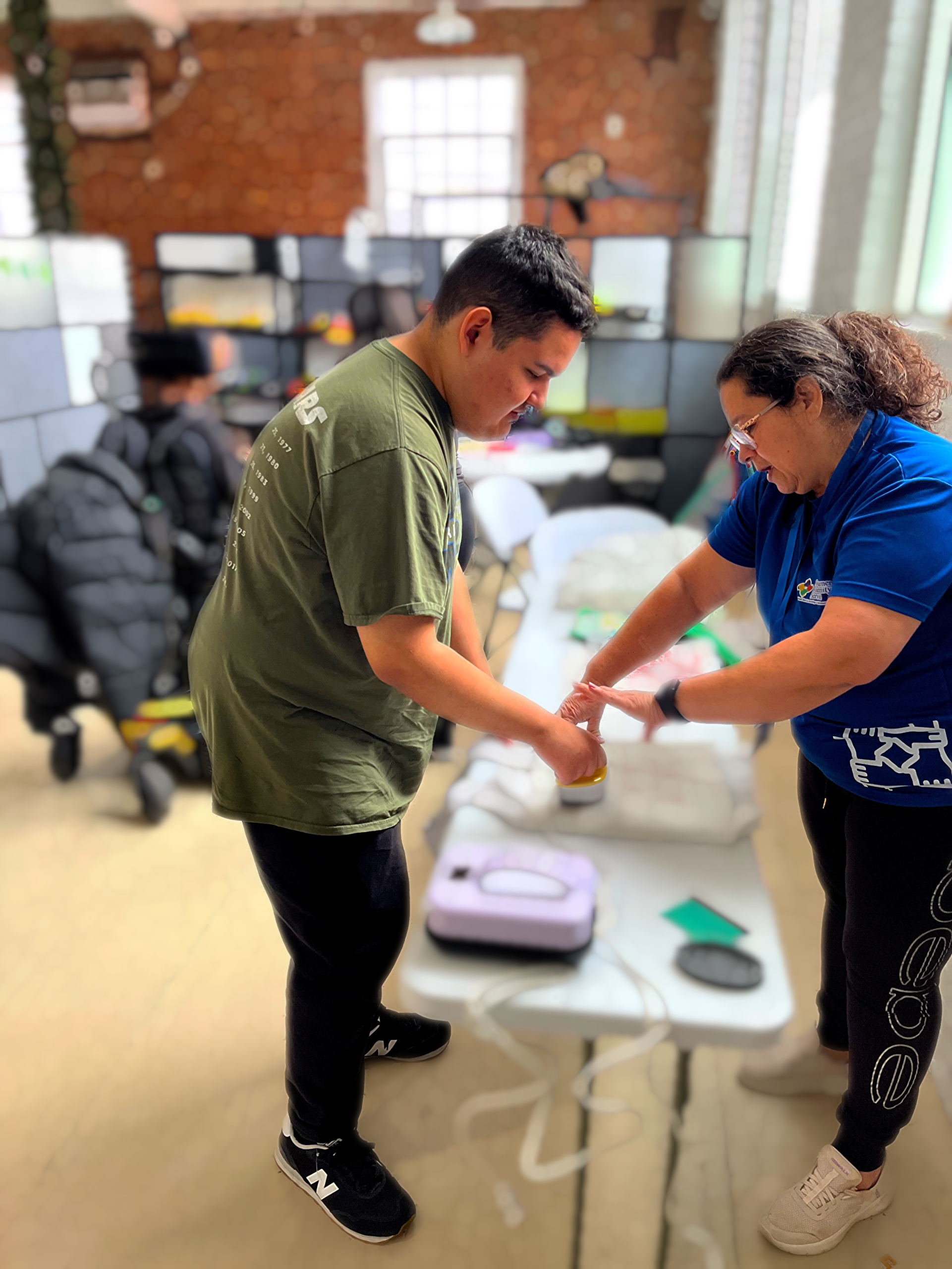 Supporting Consistency Across Environments
ABA strategies are often shared with families so skills learned during therapy can be reinforced at home and in the community. This consistency helps individuals generalize skills across different settings.
Empowering Families With Knowledge and Tools
ABA therapy provides families with practical tools and guidance, helping them better understand their loved one’s needs and how to support growth in everyday situations.
ABA Therapy for Children and Adults With IDD
While ABA therapy is often associated with children, it can be beneficial for individuals of all ages.
Early Intervention for Children
For children with IDD, early ABA therapy can support developmental milestones, communication, and learning readiness, thereby laying a strong foundation for future growth.
Ongoing Support for Adolescents and Adults
For adolescents and adults, ABA therapy can focus on life skills, vocational readiness, social interaction, and independence, supporting long-term quality of life.
Choosing the Right ABA Therapy Program
Not all ABA programs are the same, so it’s important for families to find a provider that aligns with their values and goals.
Quality ABA therapy should respect the individual’s dignity, preferences, and comfort. Therapy should be collaborative, supportive, and focused on meaningful outcomes and beyond just compliance.
Look for programs led by trained, licensed professionals who prioritize ethical practice, empathy, and individualized care.
Final Thoughts
ABA therapy is a powerful tool within the IDD community when it is delivered thoughtfully and respectfully. By focusing on skill-building, positive reinforcement, and individualized support, ABA therapy helps individuals with intellectual and developmental disabilities grow in confidence, independence, and daily functioning.
For families navigating IDD services, understanding ABA therapy can be an important step toward finding the right support. With the right approach and the right team, ABA therapy can make a meaningful difference in the lives of individuals and the people who care for them.